English
 Arabic
 French
 Spanish
 Portuguese
 Deutsch
 Turkish
 Dutch
Dutch
 Italiano
 Russian
 Romaian
 Portuguese (Brazil)
 Greek
Greek
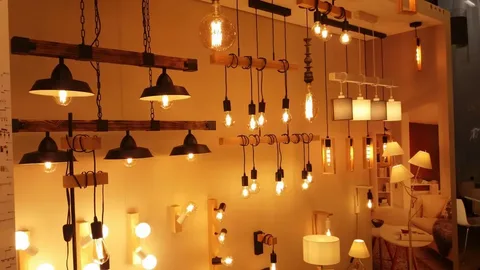
As per Market Research Future analysis, the Decorative Lighting Market Size was estimated at 40.0 USD Billion in 2024. The Decorative Lighting industry is projected to grow from 41.4 USD Billion in 2025 to 58.41 USD Billion by 2035, exhibiting a compound annual growth rate (CAGR) of 3.5% during the forecast period 2025 - 2035.
The decorative lighting market is rapidly evolving with the increasing adoption of smart home technologies and connected living ecosystems. As consumers embrace automation and digital integration, lighting systems are becoming more intelligent, customizable, and interactive. Decorative lighting is now a key component of smart homes, offering not only visual appeal but also enhanced functionality and convenience. This shift is transforming the way consumers interact with lighting, making it an integral part of modern living environments.
One of the key drivers is the growing demand for smart lighting systems that enable remote control, voice activation, and automation. These systems allow users to adjust brightness, color, and scheduling through mobile applications or smart assistants, providing a seamless and personalized experience. This level of control is particularly appealing to tech-savvy consumers who prioritize convenience and efficiency.
Another important factor contributing to market growth is the development of connected ecosystems where lighting interacts with other smart devices such as security systems, thermostats, and entertainment units. This integration enhances the overall user experience by creating synchronized environments that respond to user preferences and activities. The ability to create dynamic lighting scenarios based on mood or occasion is a significant advantage of connected lighting systems.
The role of IoT technology is also critical, as it enables real-time communication between devices and improves system efficiency. IoT-enabled lighting solutions can adapt to environmental conditions, optimize energy usage, and provide valuable data insights. This connectivity is driving innovation and enabling new applications in both residential and commercial settings.
Another key trend is the increasing demand for connected lighting ecosystems that offer seamless integration and enhanced functionality across multiple devices. Consumers are seeking unified solutions that simplify their daily routines while providing greater control over their living environments. This trend is encouraging manufacturers to develop interoperable systems that can work with various platforms and devices.
Companies are also focusing on enhancing user experience by developing intuitive interfaces and advanced features such as scene customization, automation, and energy monitoring. These innovations are making smart lighting more accessible and appealing to a broader audience, driving adoption across different market segments.
The expansion of smart home infrastructure is further supporting the growth of connected lighting solutions. As more households adopt smart devices, the demand for compatible lighting systems is increasing, creating new opportunities for market expansion. This trend is particularly strong in developed regions, where smart home adoption rates are high.
However, challenges such as high installation costs, compatibility issues, and data privacy concerns may impact adoption. Consumers may also face difficulties in integrating different systems, which can affect user experience and satisfaction.
Despite these challenges, the outlook remains highly promising due to continuous technological advancements and increasing consumer interest in smart living solutions. The integration of AI and machine learning is expected to further enhance the capabilities of smart lighting systems, making them more efficient and user-friendly.
In conclusion, the decorative lighting market is being driven by smart home integration, connected ecosystems, and the growing demand for intelligent and customizable lighting solutions.
FAQs
1. What is smart decorative lighting?
Lighting integrated with smart home systems for control and automation.
2. What technologies enable it?
IoT, mobile apps, and voice assistants.
3. What challenges exist?
Cost, compatibility, and privacy concerns.