 English
 Arabic
 French
 Spanish
 Portuguese
 Deutsch
 Turkish
 Dutch
Dutch
 Italiano
 Russian
 Romaian
 Portuguese (Brazil)
 Greek
Greek
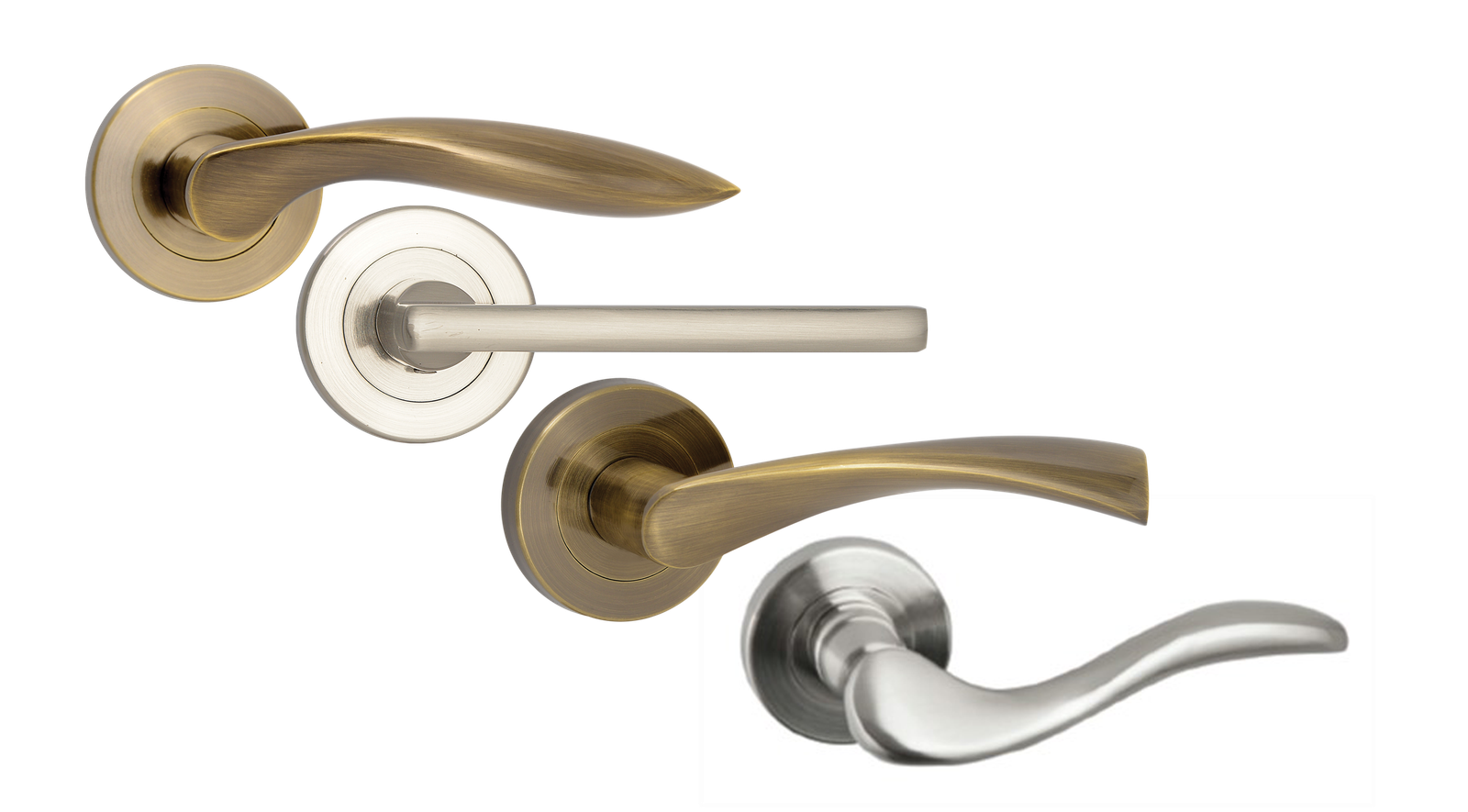
In modern interior and architectural design, every detail matters, even the smallest ones. Door handles, often overlooked, play a significant role in aesthetics, functionality, and durability.
Among the many materials used for door hardware, aluminium has risen to prominence as a choice that blends style, strength, and sustainability. From sleek minimalism in contemporary homes to robust performance in commercial settings, aluminium door handles are reshaping how designers and homeowners approach functional design.
A Legacy of Practical Elegance
Aluminium, a lightweight, corrosion-resistant metal, has been part of human engineering for over a century. Its introduction into design and architecture paralleled advances in industrial production, where its versatility became increasingly valuable.
Early metal hardware was dominated by brass, steel, and iron. While these materials have enduring appeal, aluminium brought a combination of unique benefits that made it stand out.
Unlike heavier metals, aluminium’s low density means handles can be sturdy without being bulky. This physical quality allows designers to push creative boundaries, shaping door handles with precision, curvature, and finesse. In a marketplace increasingly oriented toward sleek, refined looks, aluminium fits naturally into the modern aesthetic.
Style That Makes a Statement
One of aluminium’s greatest strengths is how seamlessly it integrates with contemporary design language. Minimalism, sharp lines, and uncluttered forms are hallmarks of modern interiors — and aluminium handles complement these trends perfectly.
Clean, Modern Aesthetics: Aluminium handles are often anodised or powder-coated, producing a uniform finish that enhances visual appeal. Neutral shades like matte black, metallic silver, and brushed nickel are popular choices, adding a premium feel without overwhelming other design elements.
Form Follows Function: Contemporary designers appreciate aluminium’s ability to be machined into elegant geometric shapes. From straight-edged bar handles to gently curved ergonomic designs, aluminium allows both form and function to coexist harmoniously.
Design Versatility: Whether in residential spaces like living rooms and bedrooms or commercial environments such as offices and hotels, aluminium handles bring sophistication. Some designers favour minimalist styles that blend into the background, while others use bold silhouettes and finishes to create focal points.
Yet, aesthetics alone don’t tell the whole story. The choice of aluminium impacts usability — and that’s where strength and practicality emerge.
Strength Where It Matters
At first glance, aluminium may seem delicate because of its lightness. But lightweight doesn’t mean weak. In fact, aluminium offers an impressive balance of strength and durability.
Alloy Advantages: Pure aluminium is soft, but in practical applications like door hardware, it’s alloyed with other metals (such as magnesium or silicon). These aluminium alloys improve mechanical strength while retaining corrosion resistance and workability.
Built for Everyday Use: Door handles endure repeated use — often thousands of cycles per year. Aluminium’s structural integrity allows it to withstand everyday wear, knocks, and tension without deforming or breaking. Its resistance to rust and tarnish makes it ideal for humid environments like bathrooms, kitchens, and outdoor entryways.
Temperature and Corrosion Resistance: Unlike iron or steel, aluminium resists oxidation. Even in coastal areas where salt exposure accelerates corrosion, aluminium maintains its surface and performance. Anodic coatings and protective finishes further boost this resilience, making it suitable for both interior and exterior applications.
In commercial spaces, where hardware sees heavy traffic, aluminium’s toughness is a practical benefit. The metal stands up to constant use in corporate buildings, hotels, hospitals, and public facilities — and it does so with reliability.
Sustainability in Design
Increasingly, architects and consumers are choosing materials not just for performance, but for environmental impact. In this context, aluminium stands out as a leader in sustainability.
Recyclability: Aluminium is one of the world’s most recyclable materials. It can be melted down and reformed repeatedly without losing strength or quality. Recycling aluminium uses only a fraction — about 5% — of the energy required to produce it from raw ore. This reduces carbon emissions, energy consumption, and landfill waste.
Lower Carbon Footprint: Contemporary aluminium production increasingly integrates renewable energy and cleaner processes. While manufacturing still involves significant energy, ongoing technological improvements are reducing the environmental cost.
Long Lifespan: A long lifecycle minimizes the need for frequent replacement. Door handles made from aluminium often outlast those made from lesser materials, resulting in less waste and fewer resources spent on replacements over time.
For environmentally conscious consumers, aluminium door handles embody a practical fusion of ethical considerations and high performance.
The Finishing Touch: Surface Treatments
Aluminium’s adaptability extends into surface treatments that enhance both look and performance. These finishes not only contribute to style but also improve longevity.
Anodising: This electrochemical process forms a protective oxide layer on the aluminium surface. It boosts hardness and corrosion resistance and allows for a range of colour finishes — from subtle champagne tones to deep blacks and vibrant hues.
Powder Coating: A dry, powdered paint is electrically applied and heat-cured, forming a durable, uniform coating. Powder coating offers broad colour options with excellent resistance to wear and fading.
Brushed or Satin Finishes: These finishes add texture and visual depth, creating subtle reflections and a tactile quality that enhances grip and feel.
Each treatment can dramatically alter the character of a handle, giving designers and homeowners tools to tailor hardware to their unique aesthetic vision.
Installation and Functionality
While aluminium door handles shine in design and sustainability, their true value is realised in everyday use. Compatibility with standard door hardware systems, including mortise locks, latch sets, and multi-point mechanisms, makes them straightforward to install. Many also support universal fitting options, simplifying upgrades or replacements.
Ergonomics matter too. Aluminium’s lightweight nature makes doors feel softer to operate, reducing strain on hands and mechanisms. Thoughtful designs consider grip comfort, smooth motion, and consistent function — making them accessible and user-friendly.
Choosing the Right Handle
When selecting aluminium door handles, there are several factors to consider:
Purpose: Interior or exterior use? High-traffic or low-traffic areas?
Style: Minimalist, traditional, bold, or subtle?
Finish: Anodised, powder-coated, brushed, or natural aluminium?
Ergonomics: Lever handles, knobs, pull handles — and whether they complement the user’s needs.
Aesthetics and performance shouldn’t be mutually exclusive — and with aluminium, they rarely are.
Conclusion
In a world where design, durability, and environmental responsibility carry equal weight, aluminium door handles stand out as a choice that ticks all the boxes. Their sleek aesthetics satisfy contemporary design trends; their strength and longevity ensure dependable performance; and their recyclability aligns with evolving expectations for sustainable materials.
Whether you’re renovating your home, upgrading commercial hardware, or rethinking the details of a new build, aluminium door handles offer a thoughtful, elegant solution that embodies 21st-century design principles.
Often small, sometimes subtle, but always significant — the right handle can elevate both the look and feel of a space. And with aluminium, that choice is one where style, strength, and sustainability intersect harmoniously.


