 English
 Arabic
 French
 Spanish
 Portuguese
 Deutsch
 Turkish
 Dutch
Dutch
 Italiano
 Russian
 Romaian
 Portuguese (Brazil)
 Greek
Greek
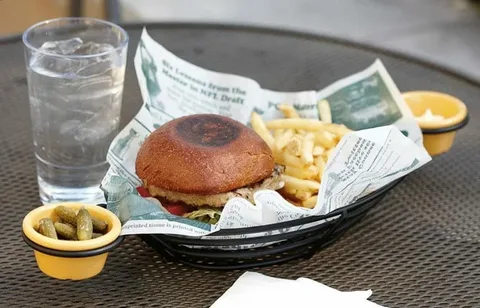
People decide where to eat again based mostly on how good their last food was. One bad experience with stale bread or overcooked meat changes everything about returning. Quality is not just about taste. It covers texture and freshness and consistency every single visit. Maintaining food quality builds trust that keeps customers coming back without needing expensive advertising. Understanding this connection helps any operation improve satisfaction through practical daily decisions.
Why Do Customers Notice Quality Problems Before Staff Members Do?
Fresh eyes catch differences that workers see every day and stop noticing over time. A customer comparing today's burger against last week's visit immediately spots inconsistency between orders. Staff working at the same station for months develop blindness to gradual quality decline happening slowly. Online reviews appear within minutes of bad experiences reaching hundreds of potential customers fast. Customers paying for foods hold higher standards than workers focused on speed during rushes. Building systems that catch problems before customers do protects reputation before damage spreads widely.
How Does Ingredient Freshness Directly Affect How Satisfied Customers Feel?
Fresh lettuce has a crisp snap that wilted leaves completely lack during the eating experience. Tomatoes picked recently taste sweet and firm while older ones turn mushy and bland. Bread baked the same day stays soft inside while yesterday's batch turns chewy and unpleasant. Paper for food baskets keeps fresh ingredients separated and dry during final assembly and serving. Customers cannot always identify exactly what is wrong but they know something tastes off. Freshness differences between good and poor ingredients become obvious to anyone paying attention while eating.
What Happens To Customer Trust When Quality Becomes Inconsistent?
People return when they trust getting the same good experience they had on a previous visit. One inconsistent food plan makes customers wonder which version they will get next time. Maintaining food quality consistently builds confidence that turns occasional visitors into regular loyal customers. Wax Papers Hub materials help operations keep quality consistent from prep through final customer handoff. Restaurants in CA showing consistent quality scores see 40 percent higher return visit rates. Trust built through consistency takes months to develop but only one bad experience to damage.
Why Does Texture Matter Just As Much As Flavor For Customer Satisfaction?
Crispy fries that arrive soggy disappoint even when seasoning and flavor taste perfectly correct. Chewy steak ruins the dining experience regardless of how well it was seasoned during cooking. Soft cookies that should be crispy signal staleness that customers associate with poor operations. Food paper lining prevents moisture from attacking textures that proper cooking worked hard to create. Getting texture right requires attention from cooking through Wrapping through final delivery to the customer. Flavor and texture working together create satisfaction that either element alone cannot fully achieve.
How Does Portion Consistency Affect Customer Perception Of Quality?
Receiving a smaller burger than the previous visit makes customers feel cheated even if the taste is the same. Overly large portions one day create expectations the next visit cannot realistically meet or match. Consistent sizing signals professional operation where standards get followed regardless of who is working. Maintaining food quality includes portion management because value perception ties directly to what arrives. Customers share photos online and inconsistent portions generate negative comments about declining standards instantly. Standardized measuring tools remove guesswork and prevent portion drift that damages quality perception over time.
Can Staff Attitude Really Change How Customers Experience Food Quality?
Friendly staff make food taste better according to multiple customer satisfaction research results. Rude or indifferent service makes people focus on any negative aspect of their food. Workers who take pride in quality naturally handle items more carefully during preparation. Teams understanding why quality matters maintain higher standards than those just following rules mechanically. Maintaining food quality requires building a culture where everyone genuinely cares about customer experience. Management modeling quality focused behavior inspires staff to apply the same standards during every shift.
Why Does Wrapping Quality Affect How Customers Judge Food Quality?
Crushed boxes signal careless handling making customers expect poor quality before opening anything. Clean professional Wrapping creates a positive expectation that food inside will match the presentation outside. Leaking Boxes suggest poor preparation standards throughout the entire operation, not just Wrapping decisions. Takeout customers judge entire restaurant quality through Wrapping they receive during delivery experiences. Maintaining food quality extends beyond the kitchen into every material touching items before consumption. Wrapping investment pays back through better quality perception worth far more than material costs involved.
How Does Speed Versus Quality Balance Affect Customer Satisfaction Levels?
Fast service with poor quality loses customers faster than slow service with excellent quality. Customers forgive reasonable wait times when food arrives at proper temperature and freshness. Rushing preparation to hit speed targets creates quality failures that speed benefits cannot offset. Training helps workers achieve both speed and quality rather than sacrificing one for others. Maintaining food quality during peak rush hours requires systems that support rather than pressure workers. Operations finding this balance earn loyalty from customers who appreciate getting both speed and quality.
Why Should Operations Measure Customer Satisfaction Data Regularly?
Survey responses reveal quality problems that internal inspections often miss or overlook completely. Tracking scores over time shows whether quality improvements actually change customer perception measurably. Negative feedback patterns identify specific items or times where quality consistently falls below standards. Data removes guesswork from quality improvement decisions making investments more targeted and effective. Maintaining food quality requires knowing what customers actually experience, not just what managers observe. Regular measurement creates accountability that keeps quality improvement as an ongoing priority rather than occasional projects.

