 English
 Arabic
 French
 Spanish
 Portuguese
 Deutsch
 Turkish
 Dutch
Dutch
 Italiano
 Russian
 Romaian
 Portuguese (Brazil)
 Greek
Greek
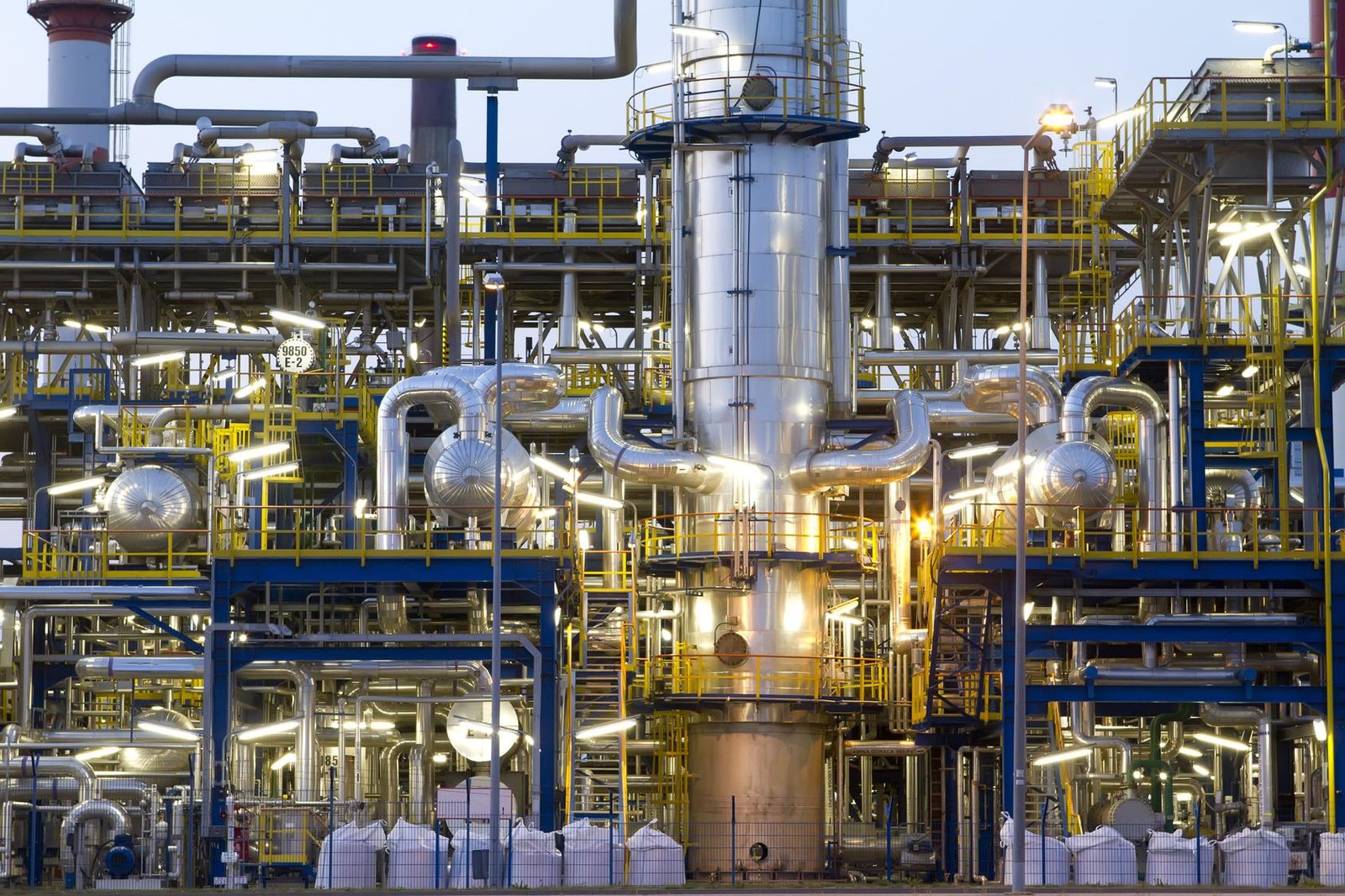
The evolution of industrial separation technologies has brought pervaporation into the spotlight as an efficient and sustainable solution. This membrane-based process is particularly effective for separating azeotropic mixtures and organic compounds, making it indispensable in modern manufacturing. As industries shift toward greener alternatives, pervaporation is gaining widespread adoption.
According to a recent report by Market Research Future, the Pervaporation Market is expanding steadily due to increasing industrial demand. Companies are recognizing the benefits of this technology, including lower energy consumption, reduced emissions, and improved operational efficiency. These advantages are driving its adoption across various sectors.
The petrochemical industry is one of the primary users of pervaporation technology. It is widely used for hydrocarbon separations and solvent recovery processes. The ability to achieve high levels of purity while minimizing energy use makes it a preferred choice in this sector. Similarly, the pharmaceutical industry relies on pervaporation for precise separation processes that ensure product quality.
The growing emphasis on sustainability is another major factor contributing to market growth. Governments and regulatory bodies are encouraging industries to adopt eco-friendly technologies, which is boosting demand for pervaporation systems. This shift is expected to create new opportunities for market players.
Moreover, the Pervaporation Market Share is increasing as more companies invest in advanced membrane technologies. Innovations such as hybrid membranes and nanocomposite materials are enhancing performance and expanding application areas. These developments are making pervaporation more competitive compared to traditional separation methods.
The wastewater treatment sector is also benefiting from the adoption of pervaporation technology. It is used to remove contaminants and recover valuable substances from industrial effluents. This not only supports environmental sustainability but also provides economic benefits.
Geographically, developed regions such as North America and Europe are leading the market due to strong technological infrastructure and regulatory support. Meanwhile, emerging economies in Asia-Pacific are witnessing rapid growth, driven by industrial expansion and increasing awareness.
In conclusion, the pervaporation market is on a growth trajectory, supported by technological advancements and increasing demand for sustainable solutions. Its ability to deliver efficient and environmentally friendly separation processes positions it as a key technology for the future.

