 English
 Arabic
 French
 Spanish
 Portuguese
 Deutsch
 Turkish
 Dutch
Dutch
 Italiano
 Russian
 Romaian
 Portuguese (Brazil)
 Greek
Greek
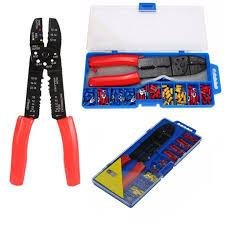
The Crimping Tool: Small Device, Major Impact
In the world of electrical systems, automotive wiring, and telecommunications, reliability depends on one critical factor — connection integrity. At the heart of this reliability stands the crimping tool.
Often underestimated, a crimping tool transforms loose wires and connectors into secure, durable joints capable of handling vibration, heat, and long-term use. Without proper crimping, even the most advanced systems risk failure.
This makes the crimping tool not just a hand tool — but a performance safeguard.
What Makes a Crimping Tool Essential?
A crimping tool is designed to compress connectors onto wires, creating a mechanical and electrical bond. Unlike soldering, which involves heat and filler material, crimping relies on precision pressure.
The result?
-
Strong mechanical grip
-
Stable electrical conductivity
-
Resistance to corrosion and vibration
Professionals across industries depend on crimping tools because they deliver consistent results when used correctly.
Types of Crimping Tools and Their Applications
Different tasks require different tools. Selecting the right crimping tool improves efficiency and accuracy.
Hand Crimping Tools
Manual crimpers are ideal for small-scale jobs or on-site repairs. Lightweight and portable, they are widely used in electrical maintenance and DIY installations.
Ratcheting Crimping Tools
These tools ensure consistent pressure before releasing, preventing under-crimping or over-crimping. They are favored by electricians who require precision for repeated tasks.
Hydraulic Crimping Tools
Designed for heavy-duty applications, hydraulic models handle thick cables and industrial wiring systems. They are commonly used in construction and energy sectors.
Automatic and Battery-Powered Crimpers
Modern technology has introduced powered crimping tools that increase speed and reduce physical strain — particularly useful for large-scale projects.
Each type of crimping tool serves a distinct purpose, emphasizing the importance of choosing correctly.
Why Precision Matters in Crimping
A poorly executed crimp can lead to overheating, signal disruption, or complete system failure. Precision ensures:
-
Uniform compression
-
Proper connector alignment
-
Maximum conductivity
High-quality crimping tools are engineered with calibrated dies that match specific connector sizes. This ensures that every connection meets safety standards and performance expectations.
Industries That Depend on Crimping Tools
The versatility of the crimping tool extends across multiple industries.
Electrical and Construction
Electricians rely on crimping tools to connect terminals, lugs, and connectors in residential and commercial installations.
Automotive Manufacturing
Vehicle wiring harnesses require secure connections that can withstand vibration and temperature fluctuations tool crimping provide dependable durability.
Telecommunications
Data cables and network connectors must maintain signal integrity. Precision crimping ensures uninterrupted communication.
Renewable Energy
Solar panel systems and wind installations depend on high-performance connections to maintain efficiency and safety.
Across these sectors, the crimping tool plays a silent but critical role.
Key Features to Look for in a Crimping Tool
When selecting a crimping tool, quality matters more than price alone. Consider the following factors:
Ergonomic Design
Comfortable grips reduce hand fatigue during extended use.
Durable Construction
Hardened steel components ensure long-lasting performance.
Interchangeable Dies
Versatility increases when tools support multiple connector sizes.
Safety Mechanisms
Ratcheting systems prevent incomplete crimps, enhancing safety.
Investing in a reliable crimping tool minimizes risk and maximizes efficiency.
Maintenance and Longevity
A crimping tool has to be handled with care, just like any other precise equipment.
-
Keep it clean and free of debris
-
Store it in a dry environment
-
Lubricate moving parts when recommended
-
Inspect dies regularly for wear
Routine maintenance ensures consistent results and extends the lifespan of the tool.
The Future of Crimping Technology
As industries evolve, so do tools. Innovations in crimping tools now include digital pressure monitoring and smart calibration systems. These advancements allow professionals to verify compression accuracy instantly.
Automation and smart integration are shaping the future of crimping technology, making processes faster and more reliable.
Why the Right Crimping Tool Is a Smart Investment
Choosing the right crimping tool is not just about completing a task — it is about ensuring system reliability. Poor connections can result in costly repairs, downtime, and safety hazards.
A high-quality crimping tool offers:
-
Consistent performance
-
Reduced installation errors
-
Enhanced workplace safety
-
Long-term cost efficiency
Professionals understand that precision tools lead to professional results.
Conclusion: Strength in Every Connection
The crimping tool may appear simple, but its role is fundamental in powering modern infrastructure. From homes to industrial plants, from vehicles to renewable energy systems, secure connections keep systems running safely and efficiently.
By prioritizing quality, precision, and proper technique, the crimping tool becomes more than just a piece of equipment — it becomes the backbone of reliable performance.
See More Articles: Clicking Here


